

Retirement is often seen as the start of a new chapter in life, one that offers freedom, relaxation, and the opportunity to finally focus on personal interests. But for many, it also marks the beginning of an adjustment period, as routines change and the busy pace of work slows down. It’s the perfect time to reimagine what an active, healthy lifestyle looks like, so you can continue to live life to the fullest.
In this blog, we’ll explore the benefits of staying active in retirement, practical tips for maintaining physical and mental well-being, and how to make the most of your time, whether you want to take up a new hobby, revisit an old passion, or simply enjoy the pleasures of everyday life.
The Power of Staying Active
As we age, maintaining an active lifestyle is essential not only for our physical health but also for our mental and emotional well-being. According to the World Health Organisation, adults over 65 should aim for at least 150 minutes of moderate-intensity aerobic activity or 75 minutes of vigorous-intensity activity each week. This might sound like a lot, but breaking it down into manageable chunks makes it easier to incorporate into your daily routine.
Here are some key reasons why staying active in retirement is so important:
Physical Health: Studies have shown that 90% of adults aged 65 and older have at least one chronic condition, and 77% have two or more. Regular exercise helps to prevent or manage chronic conditions such as heart disease, diabetes, and arthritis. It also improves flexibility, muscle strength, and balance, which can reduce the risk of falls and enhance overall mobility.
Mental Clarity: Physical activity releases endorphins, which are known to boost mood and combat feelings of stress and anxiety as well as boost brain health and help improve memory, concentration, and cognitive function. In fact, a study from Johns Hopkins Bloomberg School of Public Health in America showed that regular physical activity can lower the risk of developing dementia by more than 50%.
Social Connections: Whether it’s attending a fitness class, walking in the park with a friend, or joining a club at the gym, staying active often involves interacting with others. This can help combat loneliness, which is a growing concern among older adults. Connecting with others through physical activities can significantly improve your mental health.
Increased Longevity: Research consistently shows that leading an active lifestyle is linked to a longer lifespan. The American Heart Association reports that regular physical activity can extend life expectancy by several years and reduce the risk of premature death. Several studies have indicated that individuals who are consistently active live, on average, 3-5 years longer than those who are sedentary.
Eight Ways to Stay Active in Retirement
It’s never too late to start, and the best part is that staying active doesn’t mean you have to become a marathon runner or gym enthusiast. There are plenty of ways to stay active that are fun, engaging, and tailored to your personal interests. Here are eight examples;
1. Walk It Out
Walking is one of the simplest, most accessible forms of exercise. It’s free, easy on the joints, and can be done almost anywhere. Whether you take a stroll around your garden, explore nature trails, or visit a local park, walking is an excellent way to stay active while enjoying the great outdoors.
If you’re looking to make it more social, consider joining a walking group. Many communities have walking clubs that cater to people of all fitness levels. Not only will you get the benefits of exercise, but you’ll also have the opportunity to meet new people and enjoy stimulating conversation.Walking just 30 minutes a day can lower the risk of heart disease, stroke, and type 2 diabetes by as much as 40%. All you need is a comfortable pair of shoes and a water bottle.
2. Take Up Yoga or Pilates
Yoga and Pilates are fantastic options for older adults, as they improve flexibility, balance, and strength. They are also excellent for reducing stress and promoting relaxation. Both activities can be adapted to different levels of mobility, making them suitable for everyone from beginners to more experienced practitioners.
Many local gyms, wellness clubs, and community centres offer classes tailored for seniors, often with instructors who specialise in teaching older adults. If you prefer to practice at home, there are plenty of online resources available to guide you through the routines.
3. Strength Training
Strength training isn’t just for bodybuilders, it’s crucial for maintaining muscle mass and bone density, both of which naturally decrease as we age. Incorporating light weights, resistance bands, or even bodyweight exercises like squats can help preserve muscle strength and improve mobility.
If you are new to strength training, start with small, manageable weights, and gradually increase the resistance as you become stronger. Even two or three sessions a week can make a significant difference in maintaining physical function and independence.
4. Dance Your Heart Out
Dancing is fun, energising and a great way to keep your heart and body energised. Whether you enjoy a ballroom waltz, line dancing, zumba, or just dancing around your living room to your favourite tunes, dancing helps with coordination, balance, and cardiovascular health.
Many retirement communities like Faircape Life offer dance classes, or you can find online tutorials that teach everything from salsa to swing dancing. Don’t worry if you’re not a professional, dancing is all about having fun and enjoying the rhythm. According to a study published in The New England Journal of Medicine, older adults who dance regularly show better cognitive function and a 76% reduced risk of developing dementia.
5. Swimming and Water Aerobics
If you have joint issues or prefer a low-impact exercise, swimming is an excellent choice. The buoyancy of the water supports your body, reducing strain on the joints while still providing an effective workout, particularly for those suffering from arthritis. Swimming engages multiple muscle groups, improves cardiovascular health, and enhances flexibility.
Water aerobics classes are another fantastic way to stay active without putting excess strain on your body. Many pools offer specialised classes for older adults, so you can get fit in a safe and supportive environment.
6. Gardening
Gardening isn’t just a hobby but a great way to exercise while doing something that brings you joy. Whether you’re planting flowers, growing vegetables, or tending to your lawn, gardening involves plenty of bending, stretching, and light lifting, all of which help maintain your strength and flexibility. Plus, spending time outdoors in the garden is also linked to improved mental health.Several studies have found that spending time in nature, with dress air and sunshine, can reduce stress, anxiety, and depression, which is particularly important as we age.
7. Cycling
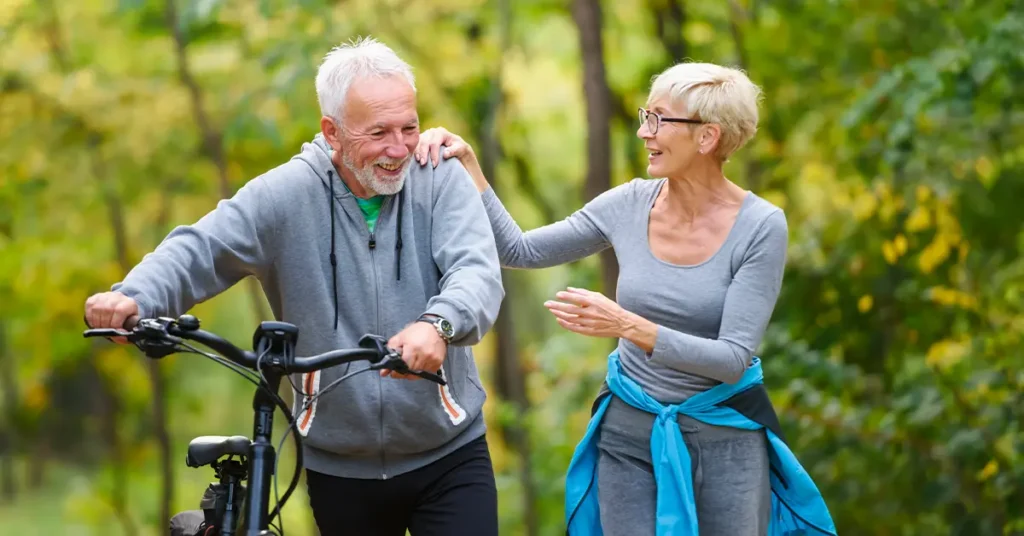
If you enjoy cycling, consider taking it up again in retirement. Whether you prefer a leisurely ride through the countryside or an urban bike path, cycling is a low-impact exercise that’s easy on the joints. It strengthens your legs, improves cardiovascular health, and can be an excellent social activity if you join a cycling group or invite a friend along for the ride.
8. Mindful Breathing and Meditation
While not physically demanding, mindful breathing and meditation practices can improve mental clarity and help you stay calm and centred. It helps reduce stress, improve sleep, and promote emotional well-being. Simple breathing exercises or mindfulness techniques can be incorporated into your daily routine and are a great complement to other physical activities.
Eating Well for Your Health
In addition to staying active, eating a nutritious diet plays a crucial role in maintaining health during retirement. A balanced diet rich in fruits, green vegetables, lean proteins, and whole grains can help you feel your best, manage weight, and reduce the risk of chronic conditions.
- Hydration: As we age, we may not feel thirsty as often, which can lead to dehydration. Make sure to drink plenty of water throughout the day, especially if you’re engaging in physical activity.
- Protein: Adequate protein intake is essential for muscle repair and overall strength. Include protein-rich foods like lean meats, fish, cheese, and yoghurts in your meals.
- Heart-Healthy Fats: Healthy fats, such as those found in olive oil, avocado, and nuts, are beneficial for heart health, which is particularly important as you age.
Stay Active, Stay Happy
Retirement is an exciting time to explore new activities and find joy in staying active. By incorporating regular physical activity into your routine, you’ll not only improve your health but also enhance your quality of life. At Faircape Life, we believe in supporting our residents to live life to the fullest.
We offer fully equipped gym facilities, a range of fitness classes and clubs, including aqua aerobics, hiking clubs, and even a game of tennis, available at all six of our villages. Residents can also enjoy our indoor heated pool, perfect for low-impact exercise and year-round wellness.
Whether you’re in your retirement years or preparing for the future, maintaining an active lifestyle is key to enjoying your best years yet. So, get moving, find a hobby you love, and stay healthy. Your future self will thank you.